
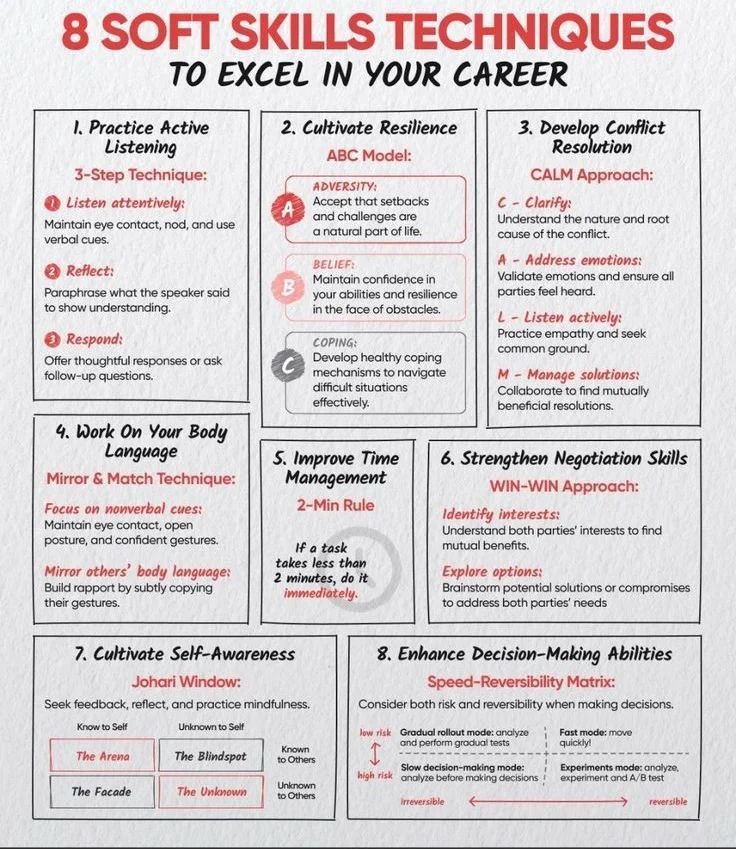
In today’s rapidly evolving job market, career advancement is not just about gaining experience but also about continuously adapting to new trends, technologies, and workplace dynamics. Whether you’re starting out in your career or looking to take the next step, understanding the key drivers of success in 2025 will give you the edge you need. SoftTeller’s guide provides actionable insights into how to advance and succeed in your career by focusing on the latest strategies, skill development, and professional growth techniques.
1. Embrace Continuous Learning: The Key to Career Growth
One of the most crucial elements for career advancement in 2025 is the ability to learn and adapt. With technology evolving at an unprecedented rate, professionals who engage in continuous learning are better positioned for success. Online courses, certifications, and workshops are valuable ways to stay ahead in your industry.
Why It’s Important: In a fast-changing job market, the skills that are in demand today may be obsolete tomorrow. By consistently updating your knowledge and expertise, you make yourself an invaluable asset to your employer or potential clients.
Exclusive Insight: SoftTeller reports that individuals who actively pursue skill development—especially in areas like AI, cloud computing, and data analytics—are seeing significant career growth. These skills are increasingly sought after across various industries, from tech to healthcare.
Success Tip: Commit to learning something new every year, whether it’s a technical skill or soft skill like leadership or communication. Platforms like Coursera, edX, and LinkedIn Learning offer a wealth of resources that can help you stay on top of industry trends.
2. Leverage Networking: Build Strong Professional Relationships
Networking remains one of the most effective ways to advance your career. Building strong professional relationships helps you access new opportunities, stay informed about industry trends, and gain valuable insights from others in your field. In 2025, networking isn’t just about attending events—it’s about building meaningful, lasting connections online and offline.
Why It’s Important: Strong networks can provide career opportunities, mentorship, and the support needed to overcome professional challenges. Networking allows you to access hidden job markets and is critical for those looking to switch industries or roles.
Exclusive Insight: SoftTeller’s research shows that professionals who actively network—whether on LinkedIn, Twitter, or through industry-specific events—are more likely to be considered for high-level positions. Those who invest in relationships often have better access to promotions and leadership opportunities.
Success Tip: Attend virtual and in-person events, engage with professionals on LinkedIn, and join industry-specific groups and forums. Focus on building genuine connections by offering value, such as sharing useful content or providing advice.
3. Develop Emotional Intelligence (EQ): Essential for Leadership
As automation and AI continue to impact the workforce, emotional intelligence (EQ) is becoming increasingly important for leadership roles. Being able to manage your emotions, understand others’ perspectives, and communicate effectively are key skills that employers value in 2025.
Why It’s Important: Leaders with high EQ foster strong teams, enhance collaboration, and improve workplace culture. As remote and hybrid work models grow, managing emotions and interpersonal relationships virtually is becoming essential for career success.
Exclusive Insight: SoftTeller identifies that companies are prioritizing EQ when hiring for leadership positions. Emotional intelligence plays a major role in team management, conflict resolution, and decision-making, all of which are crucial for effective leadership.
Success Tip: To improve your emotional intelligence, practice self-awareness, empathy, and active listening. Take time to reflect on your reactions to challenges and focus on understanding the emotions and perspectives of others in your team.
4. Adopt a Growth Mindset: Navigate Career Challenges with Confidence
In 2025, professionals who cultivate a growth mindset—the belief that abilities and intelligence can be developed—are more likely to advance. Embracing challenges, learning from setbacks, and continuously improving are all hallmarks of individuals who thrive in their careers.
Why It’s Important: A growth mindset empowers you to embrace new opportunities, take calculated risks, and persist through challenges. By viewing obstacles as learning experiences, you can adapt to change and keep moving forward in your career.
Exclusive Insight: SoftTeller’s data suggests that employees with a growth mindset are more resilient and adaptable in their roles. These individuals are also more likely to take on leadership responsibilities, as they continuously seek to improve themselves and their work.
Success Tip: Embrace challenges and view them as opportunities to grow. Instead of fearing failure, see it as a chance to learn and refine your skills. Make a habit of reflecting on your successes and setbacks to continually improve.
5. Expand Your Digital Presence: Build Your Personal Brand Online
In 2025, building a strong online presence is essential for career success. Whether you’re an entrepreneur or working in a corporate setting, your digital footprint influences your professional reputation. Social media platforms like LinkedIn, Twitter, and personal blogs are powerful tools to showcase your expertise, share insights, and network with others in your field.
Why It’s Important: A strong digital presence helps you stand out in a crowded job market, increase visibility, and attract career opportunities. Employers and recruiters increasingly search for candidates online, making it important to actively manage your personal brand.
Exclusive Insight: SoftTeller’s research indicates that professionals who consistently share relevant content, engage with their audience, and build a robust LinkedIn profile are more likely to attract career offers and opportunities.
Success Tip: Regularly update your LinkedIn profile and ensure it reflects your skills, accomplishments, and goals. Share insightful content, comment on industry developments, and connect with professionals in your field to build a solid personal brand.
6. Work-Life Balance: Maintaining Health and Productivity
In 2025, maintaining a healthy work-life balance is not just a luxury—it’s essential for long-term career success. As work demands increase, professionals must find ways to balance their personal lives with their professional responsibilities. Overworking can lead to burnout, reduced productivity, and negative effects on mental health.
Why It’s Important: Striking a balance between work and life leads to improved focus, higher job satisfaction, and better overall well-being. Professionals who take time for self-care, hobbies, and family can sustain their performance over the long term.
Exclusive Insight: SoftTeller highlights that companies offering flexible hours, remote work options, and mental health resources have higher employee retention rates. Professionals who manage their time effectively and prioritize well-being are more productive and engaged in their roles.
Success Tip: Set clear boundaries between work and personal time. Prioritize tasks, take regular breaks, and engage in activities that help you recharge, such as exercise, reading, or spending time with loved ones.
7. Leverage Mentorship: Gain Guidance from Experienced Professionals
Mentorship is a powerful tool for career growth. Whether you’re new to your industry or looking to take the next step, a mentor can provide invaluable guidance, feedback, and advice. Mentorship not only accelerates your development but also helps you avoid common career pitfalls.
Why It’s Important: Having a mentor provides you with a sounding board for career decisions, introduces you to valuable networks, and gives you the confidence to pursue new challenges. A mentor can also help you set realistic career goals and guide you through the process of achieving them.
Exclusive Insight: SoftTeller’s findings indicate that professionals who have mentors are more likely to be promoted, receive raises, and develop leadership skills faster than those without mentors.
Success Tip: Seek out mentors both within and outside of your organization. Take the initiative to establish a relationship, ask for feedback, and show appreciation for their guidance. Mentorship is a two-way street—be open to learning and sharing your own insights.
Conclusion
Advancing and succeeding in your career in 2025 requires a blend of skills, mindset, and strategies. From continuous learning and networking to building your online presence and maintaining work-life balance, SoftTeller’s insights emphasize the importance of adapting to new trends and being proactive in managing your career growth.
By focusing on developing technical and soft skills, cultivating emotional intelligence, and seeking out mentorship, you can navigate challenges and seize opportunities. Career success in 2025 isn’t just about working harder—it’s about working smarter, being adaptable, and continuously evolving in the face of change. Embrace these highlights and start building the career you deserve.